Leasehold Property
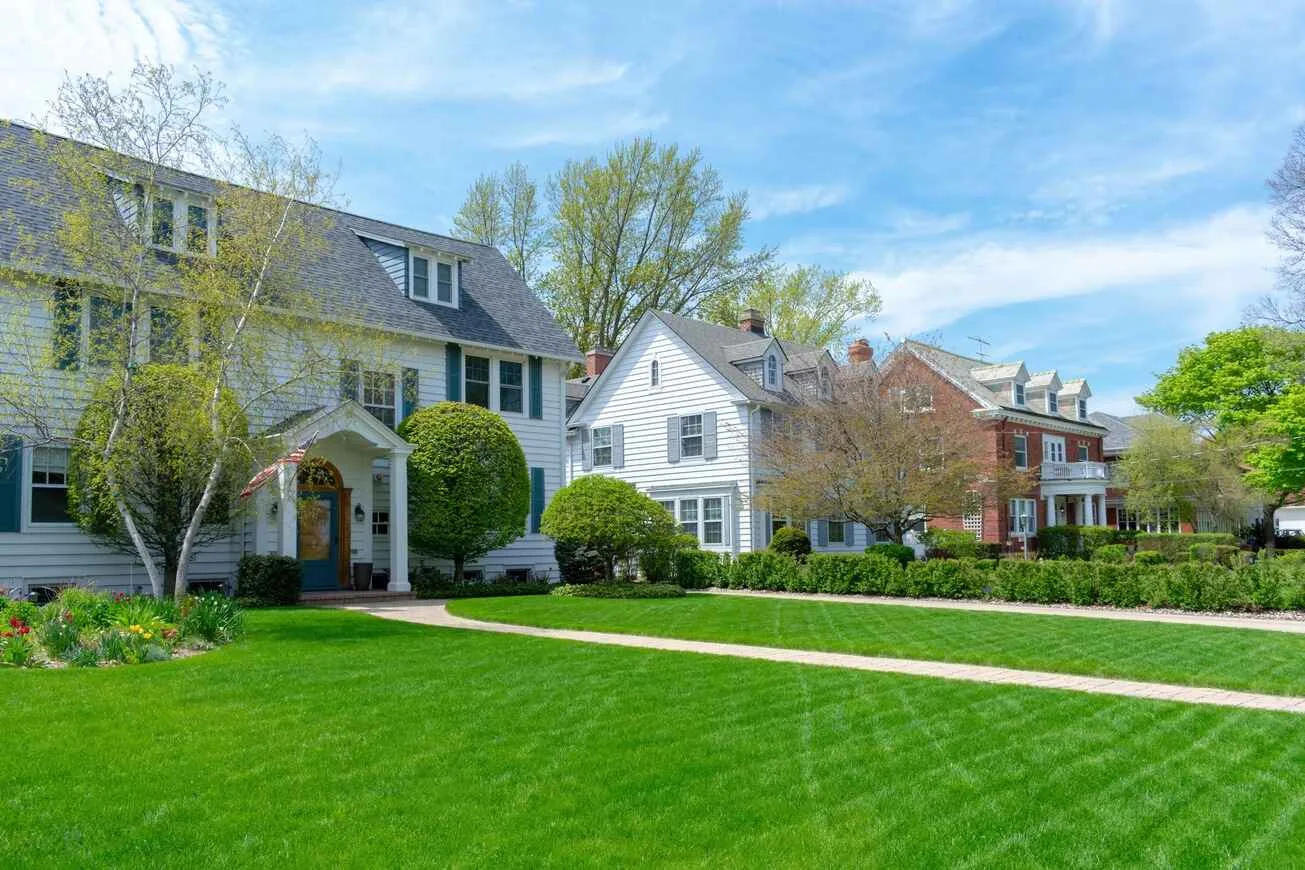
Purchasing a Leasehold Property
If you are considering a leasehold property, we offer clarity from the outset and a legal team dedicated to protecting your interests and ensuring a smooth and efficient process.
Purchasing a property should represent a milestone, not a maze filled with legal complexities. We recognise that you may feel apprehensive about the different aspects of the process, maybe including:
- Unexpected Fees
- The length of the lease
- Ground rent queries
- Building safety concerns
These are all common concerns to be feeling, so you are not alone.
What is a Leasehold Property?
With a leasehold property, you acquire the right to occupy a home for a defined period, while another party retains ownership of the building and the land it's built upon. The lease sets out the terms of this agreement, outlining several essential aspects, including:
- Maintenance obligations
- Permissible alterations
- Subletting policies
- Pet policies
- Insurance responsibilities
- How communal areas are managed
A shorter term may restrict mortgage options and affect the resale value. Service charges and ground rent, where applicable, should be included in your budget alongside your mortgage payments.
Any lease that appears short, unclear, or contains unusual clauses warrants scrutiny and thorough enquiries before you commit to the purchase
The primary distinction between leasehold and freehold lies in the type of ownership. Freehold grants outright ownership of both the building and the land, for as long as you choose, whereas leasehold provides ownership for a specified term under a lease agreement with a landlord or management company.
Flats are commonly sold as leasehold properties due to the shared structures and services.
Understanding this difference is essential when buying a property.
Steps to Buying a Leasehold
When you buy a leasehold house, the steps are similar to those for buying any other property, but with added considerations related to the lease. These considerations include reviewing the lease terms, management information, building insurance, and any planned works. Our team will conduct these checks carefully and advise you on any potential issues before you buy a leasehold property.
Costs Involved in Purchasing Leasehold Properties
Alongside the purchase price, it is essential to consider additional costs when you purchase leasehold properties. These include conveyancing fees, ID checks, Stamp Duty Land Tax administration, searches, and title documents.
Leasehold transactions may also incur notice fees payable to the freeholder or managing agent, as well as other third-party disbursements contingent on the building.
Understanding Ground Rent and Service Charges
Ground rent is an annual payment made by the leaseholder to the freeholder for the land on which the building is built.
Service charges cover the costs of maintaining communal areas, building repairs, and building insurance.
These charges can fluctuate, so it is vital to understand how they are calculated and what they encompass, to identify any potential changes in the future.

Owning a Leasehold
Owning a leasehold property comes with distinct rights and responsibilities. As leaseholders, you possess the right to live in the property for the length of the lease. However, the lease also sets out obligations, such as paying ground rent and service charges. Understanding these obligations is crucial for a smooth homeowner experience. The lease dictates what you can and cannot do with your property, from alterations to subletting, so knowing these terms is essential when owning a leasehold.
Common Leasehold Issues and Resolutions
Leasehold issues can arise from various factors, including disputes over service charges, maintenance responsibilities, or breaches of lease terms. These issues can often be resolved through negotiation, mediation, or, as a last resort, legal action.
Understanding your rights and responsibilities is the first step in resolving leasehold issues effectively.
Extending Your Lease: What to Consider
Extending your lease can become a significant concern as the lease term decreases. A shorter lease can affect the property’s value and your ability to get a mortgage.
It is advisable to extend your lease when it has around 80 years remaining.
Extending your lease typically involves negotiating with the landlord or pursuing a statutory lease extension.

Buying the Freehold: Collective Enfranchisement
Buying the freehold, also known as leasehold enfranchisement, offers significant advantages. As the freeholder, you own both the property and the land it's built on, giving you greater control and eliminating ground rent payments. It also increases the property value and removes restrictions imposed by the lease. Buying the freehold can be a complex process, but the long-term benefits make it a worthwhile investment for many leaseholders.
The process to buy the freehold typically involves serving a formal notice to the landlord, followed by negotiations to agree on a purchase price. If an agreement cannot be met, the matter may be referred to the Leasehold Valuation Tribunal for resolution. To qualify, specific criteria must be met, including owning a leasehold flat in a building where at least 50% of the apartments are participating in the scheme.
Purchasing the freehold involves complex legal considerations including making sure the correct legal procedures are followed, that the transfer of ownership is documented correctly, and that any existing mortgages are addressed.
Securing a mortgage on a leasehold property involves considerations that differ from those for freehold purchases.
Lenders assess the remaining lease length, ground rent, and service charges to determine the property’s long-term security and affordability. The length of the lease has a significant impact on mortgage availability and terms. Shorter leases may restrict the pool of lenders willing to offer a mortgage on a leasehold property.
Lenders often have minimum lease requirements to protect their investment; this is an essential consideration if you’re buying a house. Extending the lease can positively influence mortgage options and property value
For first-time buyers, the process of purchasing a leasehold property can appear complex but seeking professional advice to navigate the legal and financial considerations will help smooth the process over.
Understanding the lease terms, ground rent, service charges, and potential extension costs is also important. This said, we are here to assist you in reviewing the costs and agreements to ensure they both align with your expectations.
How We Can Help: Our Expertise in Leasehold Transactions
You’re in safe hands; we have extensive expertise in handling leasehold transactions, and our lawyers understand the complexities of leasehold law to provide you with comprehensive advice on all aspects of purchasing, selling, and owning leasehold properties. If you're buying a flat or a house, our knowledge ensures a smooth and legally sound transaction. We are dedicated to protecting your interests and rights, whether you are a buyer, seller, or existing leaseholder.
We offer personalised support throughout the entire leasehold transaction process. From the initial consultation to completion, our team will guide you every step of the way and provide a transparent service. We take the time to understand your individual needs and concerns, offering tailored advice to ensure a positive experience when buying a house.
Our Accreditations