Collective Enfranchisement
What is Collective Enfranchisement?
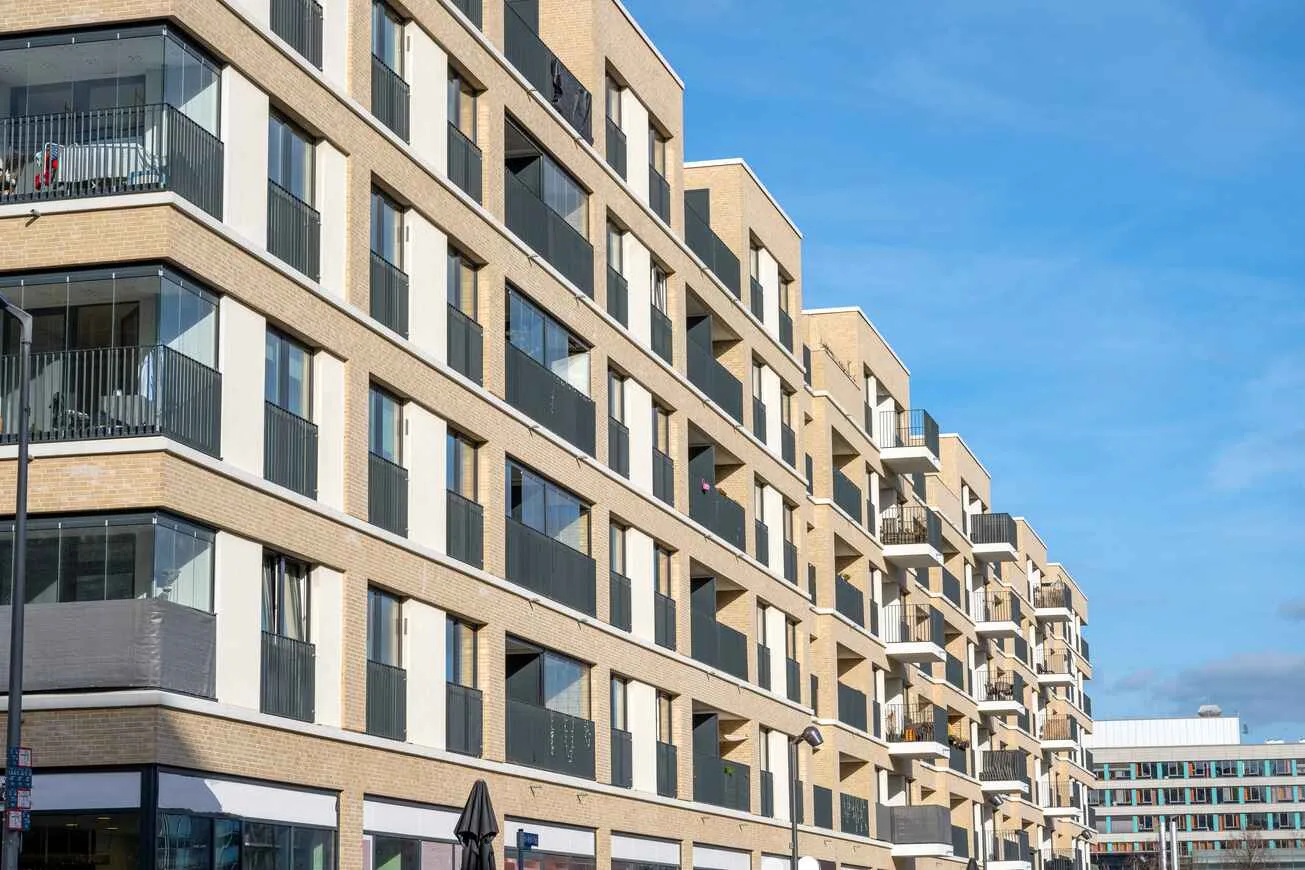
Collective enfranchisement is the right of qualifying tenants to band together and purchase the freehold of their building. While initially this may seem daunting, we understand, but we understand the complexities of collective enfranchisement and are here to guide you through every step of the process.
Collective enfranchisement refers to the statutory right of leaseholders joining forces and acquiring the freehold of their building. Instead of being subject to the terms and conditions set by a landlord, leaseholders collectively become the owners of the building, granting them greater autonomy and control over their living spaces. Collective enfranchisement will also assume all general freeholder responsibilities, including property management, maintenance and repairs, and insurance claims, among others.
The Collective Enfranchisement Process
The collective purchase of the freehold would end the involvement of the freeholder and any managers they have appointed, which means that the leaseholders gain control of the entire property.
After acquiring the freehold, leaseholders who participate in enfranchisement can grant new leases, subject to certain restrictions, providing an opportunity to remove or insert new clauses that benefit the leaseholders.
The collective enfranchisement process involves understanding key terminology. The nominee purchaser is the person or company named in the initial notice who will acquire the freehold and become the new landlord. The nominee purchaser is typically a company formed by the participating leaseholders, with the sole purpose of obtaining the freehold. However, it can also be a different third party, such as a social landlord. This entity acts on behalf of the leaseholders throughout the enfranchisement procedure.
The Leasehold Reform Housing & Urban Development Act 1993 (as amended) sets out specific requirements that leaseholders must satisfy to qualify for collective enfranchisement. These requirements ensure that only those with a genuine long-term interest in the property can participate in the process.
A qualifying leaseholder is a tenant who has a lease that has been in effect for more than 21 years. To be a qualifying leaseholder, the lease must meet specific criteria. Long leases are initially granted for a term of more than 21 years, and renewal leases are those of 21 years or less that include a clause allowing for a perpetual right of renewal.
Even if the leaseholder satisfies the above criteria, they will not be a qualifying leaseholder if the landlord is a charitable housing trust. This is when the provision of the flat is tied to the functions of the charity, or it may be a situation where the leaseholder owns more than two flats in the building, either alone or in partnership with others. Additionally, for a building to qualify, more than 25% of its internal floor area, excluding any standard parts, cannot be designated for non-residential purposes. If the criteria are not met, the building will not qualify under the relevant regulations.
A qualifying leaseholder is a tenant who has a lease that has been in effect for more than 21 years. To be a qualifying leaseholder, the lease must meet specific criteria. Long leases are initially granted for a term of more than 21 years, and renewal leases are those of 21 years or less that include a clause allowing for a perpetual right of renewal.
The Nominee Purchaser
The nominee purchaser is responsible for managing the later stages of the enfranchisement procedure. On completion, the nominee purchaser takes responsibility for the building's management and will acquire the freehold.
This can be an individual leaseholder or a corporate entity, such as a trust or a company formed by the leaseholders specifically for freehold purchase.
Responding To a Notice
The freeholder must respond to the initial notice by serving a counter notice.
This counter notice will either agree to the leaseholders’ right to enfranchisement and accept their terms or propose alternative terms. Alternatively, the freeholder may deny the leaseholders’ right to acquire the freehold, providing adequate reasons for the denial.
The service of the initial notice marks a crucial step in the process. This notice initiates the statutory procedures for acquiring the freehold.
The nominee purchaser becomes responsible for the freeholder’s reasonable costs from the date they receive the initial notice. Given the intricacies of the enfranchisement procedure, it is advisable to employ a specialist lawyer and valuer.
By law, the initial notice needs to contain details of the property to be acquired, including a plan of the building.
The freeholder must respond to the initial notice by serving a counter notice. This counter notice will either agree to the leaseholders’ right to enfranchisement and accept their terms or propose alternative terms. Alternatively, the freeholder may deny the leaseholders’ right to acquire the freehold, providing adequate reasons for the denial.
If the entitlement is neither admitted nor denied, the freeholder may state that an application is to be made to the court due to planned redevelopment. These matters may then need to be determined by the county court or specify any leaseback proposals.
Considerations in the Purchase
Determining the price is a crucial consideration in the collective enfranchisement process. There is a formula to calculate the amount the leaseholders will have to pay to buy the freehold, known as the premium. A surveyor will employ this formula to provide an estimate of the premium the participating leaseholders will have to pay to purchase the freehold.
At an early stage, valuation advice is essential, as legislation states that the price leaseholders offer for the freehold must be realistic and reasonable. Leaseholders may, therefore, find it helpful to establish a cost fund to cover the initial steps in the enfranchisement procedure.
An initial valuation of the property by a qualified valuer or surveyor is strongly recommended. This provides enfranchising leaseholders with an idea of the final purchase figure before commencing the enfranchisement procedure.
Understanding the freehold purchase price from the outset is vital for making informed decisions and managing expectations. Engaging with our lawyers ensures that the valuation is accurate and reflects the actual market value of the freehold interest.
In the enfranchisement procedure, participating leaseholders should consider their liability for the freeholder’s costs, in addition to the sale price of the freehold.
Understanding these potential expenses allows for thorough financial planning and helps avoid unexpected burdens during the process.
Professional valuation costs can quickly add up and should be factored into the leaseholders’ calculations to avoid unwanted financial surprises.
How We Can Help
We are here to provide expert guidance for your collective enfranchisement claim. Our lawyers play a crucial role in simplifying and optimising the collective enfranchisement process. They understand the complexities of leasehold reform and offer valuable support to leaseholders throughout the enfranchisement journey. We have established strong relationships with a network of professionals, including dedicated lawyers, surveyors, and valuers, ensuring a smooth and successful freehold purchase procedure.
Why Choose Us?
Since 1993, qualifying tenants have had the right to unite and form a company to purchase the freehold through collective enfranchisement. We offer a wealth of experience and a proven track record in successfully navigating this process.
Our expertise in leasehold and freehold law guarantees that your matter will be handled with the utmost care and precision.
We are committed to providing clear and straightforward advice, keeping you informed and empowered at every stage, and you will have access to all relevant information under the Urban Development Act 1993.
Our Accreditations