Leasehold Management
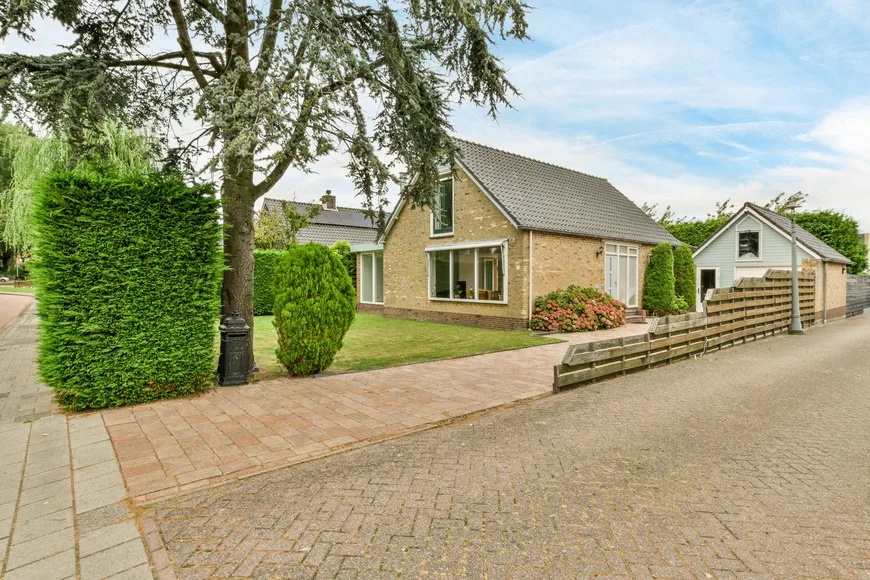
Managing Your Leasehold Property
A leasehold property grants the leaseholder the right to live in a property for a fixed term, as determined by the lease. The freeholder or landlord retains ownership of the building and land, while the leaseholder possesses the right to occupy the property for the duration of the lease.
The Role of Leasehold Management Companies
Leasehold management companies play a crucial role in overseeing the day-to-day operations and maintenance of properties. A property management company act as intermediary between the freeholder and the leaseholder(s), ensuring the smooth operation of the building and adherence to the terms outlined in the lease.
Responsibilities of Management
The landlord is typically legally obliged to maintain buildings and common areas, collect service charges, and record all financial details. Efficient financial management and proactive
maintenance are crucial for keeping the property’s integrity and ensuring the well-being of its residents. A reputable management company will handle these responsibilities with expertise and transparency.
Freeholders and Managing Agents: How to Communicate
Establishing open and effective communication with freeholders is ideal for successful leasehold property management. Leaseholders can address concerns, request information about service charges, or seek clarification on lease terms through clear and respectful communication.
Managing Agents in Leasehold Management
Managing Agents play a crucial role in leasehold property management, serving as intermediaries between freeholders and leaseholders. They handle day-to-day tasks such as collecting service charges, organising repairs, and ensuring compliance. There are avenues available for Leaseholders to challenge service or administration charges and even appoint a new property management company by applying to the First-Tier Tribunal.
Replacing a Managing Agent
This decision often arises from dissatisfaction with the current management practice or a desire for more proactive and efficient service. When selecting a new managing agent, it is essential to consider their experience, reputation, and commitment to providing excellent service to both the freeholder and the leaseholders.

Costs Associated with Leasehold Management
Management Companies and freeholders typically charge for supplying essential information contained within the leasehold management pack, and these costs are not fixed. Each Management Company establishes its fee structure, and your lawyer will need to make enquiries to ascertain these costs. Costs typically range from £150 to £500, so it is essential to factor this into your decision when purchasing leasehold properties.
Fixed-Fee Services
Exploring fixed-fee services offered by lawyers and Managing Agents provides clarity and cost predictability. It may be possible to arrange fixed fees for specific stages of leasehold property management, such as serving notices or drafting legal documents. This will allow leaseholders and management companies to manage their budgets effectively while receiving expert support.

Leasehold Property Management Pack
Navigating the complexities of leasehold property can seem overwhelming. We provide essential information on leasehold management, empowering you to effectively manage the property, and ensure a positive experience for all leaseholders.
Service charges are payments made by leaseholders to the freeholder, as stipulated in the lease, to cover the costs of maintaining and repairing the building and common areas. These charges encompass expenses such as lighting, cleaning, window cleaning, estate staff, general maintenance, gardening, and lift maintenance.
As service charges are typically paid in advance, any surplus funds remaining at the end of the year are returned to the leaseholders, while any shortfall is collected. When considering the purchase of a leasehold property, it is crucial to carefully examine the service charge costs and inquire about any anticipated future building works that may lead to increased expenses.
In addition to service charges, leaseholders are also obliged to pay ground rent to the freeholder, as outlined in the agreement. The amount of ground rent and the payment schedule will be specified; therefore, it is essential to understand these terms before purchasing a leasehold property.
Leaseholders have legal responsibilities, including the timely payment of maintenance costs and ground rent. As a leaseholder you are expected to adhere to the lease terms, refraining from actions such as property extensions or subletting without the freeholder’s consent. A breach of these obligations can lead to legal repercussions, so it is essential to understand and comply with the terms of the lease.
The Right To Manage: Understand the Process
The Right to Manage empowers leaseholders to take over specific management responsibilities from the landlord. This right allows leaseholders to manage the building or engage a property management company, giving them greater control over the maintenance and upkeep of the property.
To initiate the Right to Manage, leaseholders must form a Right to Manage company (RMC). The RMC then serves a notice on the landlord, formally stating its intention to take over management of the building. This is a statutory procedure, governed by specific rules and timeframes. It is advisable to seek guidance from a lawyer experienced in leasehold property management to ensure compliance.
Legal Considerations: Key Property Laws
The leasehold system remains a cornerstone of property ownership, and a full understanding of legal considerations is essential for both freeholders and leaseholders. Key property laws define the rights and obligations of each party, shaping the management of leasehold properties.
Extending the lease on a leasehold flat is a strategic move that can substantially increase the property’s market value. A lease extension typically adds 90 years to the existing term, providing long-term security and stability.
Commonhold offers an alternative to the traditional leasehold system, giving flat owners more control over the management of their building. Under commonhold, residents own their flats and collectively manage the building through a residents’ management company (RMC). Commonhold may be a desirable option for some homeowners, offering a viable alternative to the traditional leasehold arrangement.
Compliance with fire safety regulations is crucial, as it safeguards the well-being of all residents. Freeholders and management companies have a legal duty to ensure that leasehold properties meet stringent fire safety standards. Regular fire risk assessments properly maintained fire safety equipment, and clear evacuation procedures are crucial components of fire safety compliance.
How We Can Help
We understand the core priorities of property management and the necessity to act swiftly on payment arrears. Our legal services include recovery of service charges and ground rent, as well as administration charges where applicable. We will act on your behalf to start the recovery process, guiding you through the most efficient and cost-effective options available, tailored to your specific circumstances. Some initial points for consideration include:
• Registration of the leasehold interest
• Whether the property is mortgaged
• Any forfeiture clause in the lease
• Whether the lease allows for the recovery of legal fees and
• The total amount owing, and the time it has remained outstanding.
Our Property Litigation Team provide advice on matters related to lease renewals, contracts/agreements, and dispute resolution.
Our Accreditations