Build To Rent Development
Build To Rent: Benefits For Developers
Build to Rent (BTR), also referred to as B2R, is a property development specifically designed for the rental market, rather than for sale to individual homeowners.
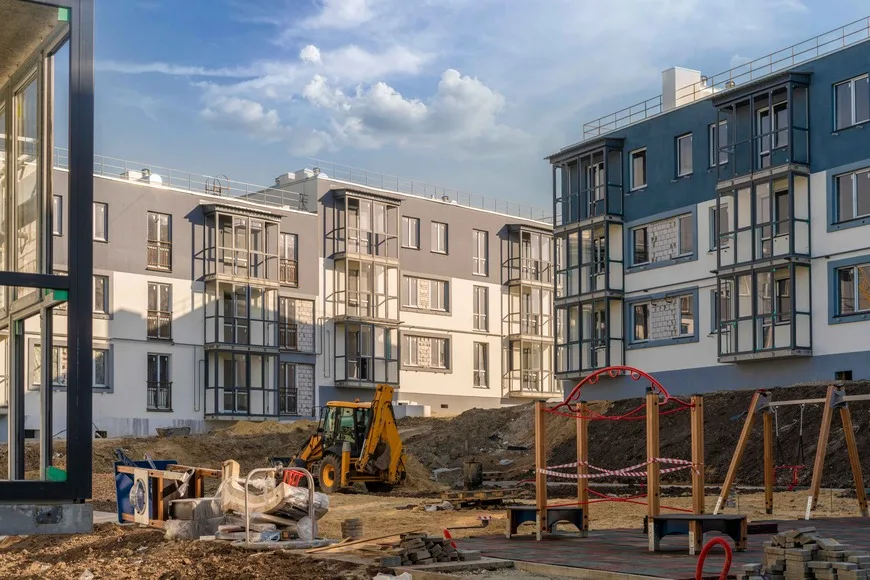
BTR properties typically deliver many units (apartments) on large-scale developments, which may comprise multiple buildings on the same site.
Benefits of Build to Rent for Developers
BTR is gaining momentum among investors, property developers, and potential tenants. With a growing demand for rental homes, developers are eager to construct purpose-built, desirable properties.
BTR developments are transforming the rental market by providing high-quality housing and community features that set them apart from the traditional buy-to-let market. As more people seek rental homes, it is clear why developers are increasingly enthusiastic to get on board with tenancies that are generally more flexible and with enhanced benefits with facilities on site.
Market Trends & Demands for Rental Homes
BTR has been around for more than a decade , and continues to gain popularity among investors, property developers, and tenants.
As the demand for rental homes rises (seen as an increasingly viable alternative to homeownership and for some a no choice option), developers are eager to construct purpose-built properties to meet this growing need. The expansion of BTR schemes is transforming the private rented sector, providing renters with an appealing alternative to traditional properties and making the market more competitive.
Financial Advantages of Build to Rent Schemes
The BTR financial model allows developers to recover their costs through long-term rental income instead of relying on property sales.
This approach helps investors avoid the 3% surcharge on Stamp Duty Land Tax (SDLT) that is typically applied to landlords for newly built properties. These homes present a financially appealing option for developers, especially given the growing demand for rental properties and the evolving dynamics of housing needs. Initially developed in London, the scheme has gained significant popularity in cities across the UK, and it’s easy to see why.
Key Features: Sustainable Communities & Affordable Housing
BTR properties are often built and developed to a high specification, offering various amenities, including gyms, swimming pools, communal lounges, concierge services, and well-maintained open spaces.
Larger developments may also have commercial premises, such as shops and restaurants onsite, further supporting the balance of convenience and community. This is a key feature of BTR developments and one that potential tenants may see as a significant benefit compared to more traditional rental properties.

What Developers Need To Know: Legal Considerations & Successful Communities
BTR schemes are generally intended to maintain a long-term presence in the private rented sector, ensuring ongoing ownership and management.
A key legal element involves affordable private rented homes included in the scheme, typically secured through a Section 106 agreement. These rental homes are designed to benefit the local community, meaning they must remain available for the long term and will enhance the housing provision for local authorities.
Effective tenant management is essential for the success of any BTR development. These schemes can address housing challenges by offering longer tenancies, typically lasting three years or more.
In addition to incorporating desirable amenities, many BTR developments allow tenants flexibility in their rental terms, which may include the ability to move between developments or locations. Efficient property management plays a crucial role in ensuring tenant satisfaction and securing a healthy long-term return on investment.
Creating desirable living environments is crucial in attracting and retaining tenants in BTR properties. Hybrid working is now the norm, so offering a range of facilities will be a significant draw for potential tenants.
These amenities can include co-working spaces, gyms, and communal areas, catering to the evolving needs of renters. By prioritising the creation of attractive and functional living spaces, developers can enhance the appeal of their BTR properties and foster strong BTR communities.
The build-to-rent sector continues to lead the way in transforming the private rented sector, as tenants increasingly seek personalised and flexible living spaces.
Modular construction methods are particularly well-suited for this trend, allowing residents to customise their living space. This flexibility enables renters to create an environment that truly feels like home, enhancing their overall living experience and make tenants more likely to stay longer.
Securing funding is essential for BTR developers. Applying for a development loan can be made easier by showcasing experience and assessing site viability online. This enables developers to compare estimates from compatible lenders, optimising returns on capital invested.
Planners often stipulate conditions, such as the proportion of affordable private rent homes that must be provided – generally around 20% of the project. Developing a BTR site requires data analysis to identify key features to attract tenants, specific to the target demographic and location.
How We Can Help: Our Expertise in Build to Rent Development
We have extensive expertise in BTR development, acquired over many years as leading experts in the private rented sector. We offer a variety of legal services related to BTR properties, including:
- Site Acquisition
- Planning & Funding
- Residential & mixed-use Contracts
- Lettings Law & Legal Services
- Revenue Recovery
We support BTR developers with end-to-end services, working alongside our Commercial Property & Property Litigation Teams. We offer bespoke support for large-scale lettings operations, including digital resources, rapid-response legal advice, and tailored staff training.
Our Accreditations