Pets on Divorce - Paws for Reflection
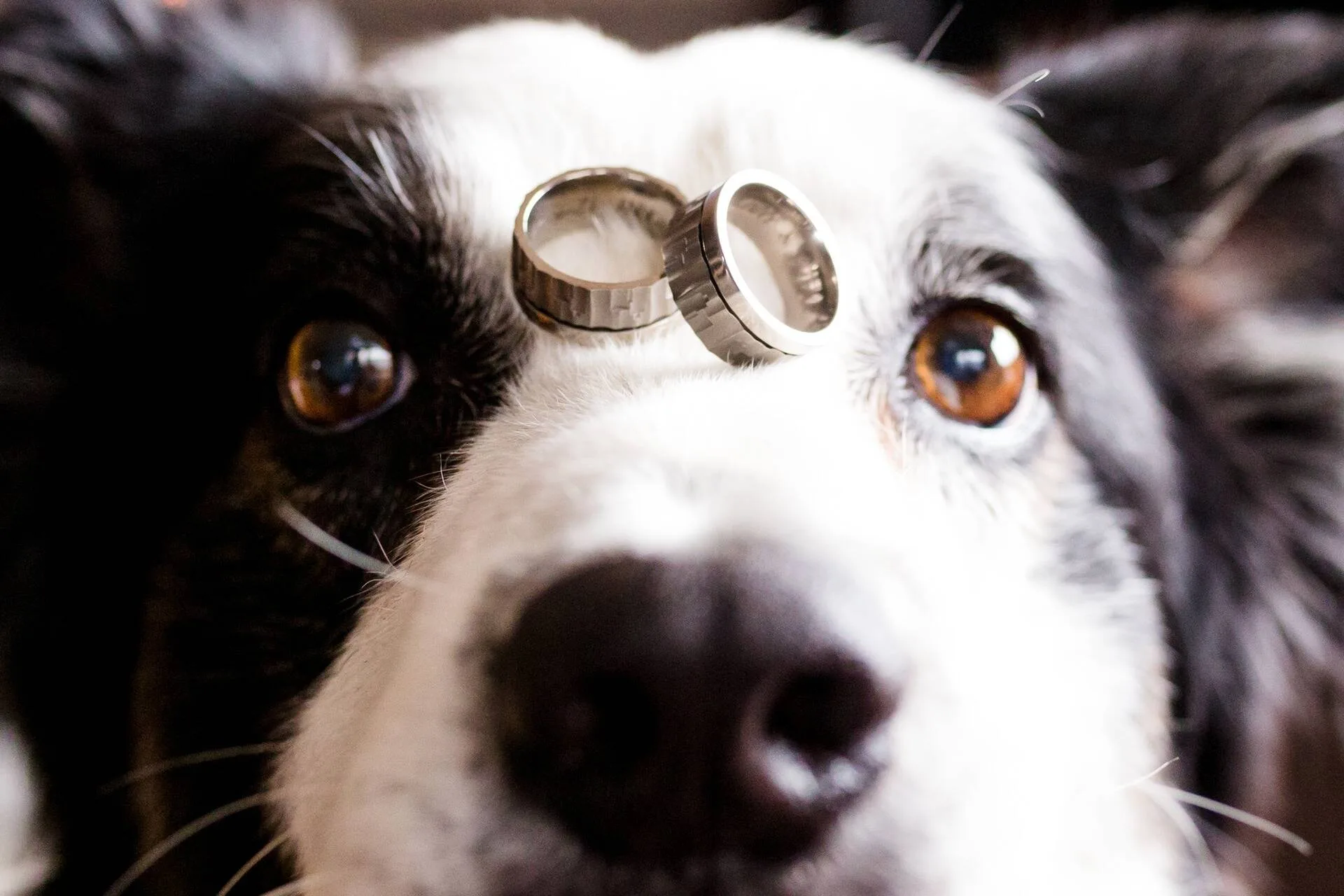
There has been a dramatic increase in pet ownership since the Covid-19 pandemic with many couples choosing pet ownership over children. Pets are often viewed as an integral part of family life, with disputes as to who should receive custody of the pet post separation rapidly on the rise.
Unfortunately, such disputes can quickly become highly emotive and the pet can become a contentious matter.
Strictly speaking, as the law currently stands, pets are treated as property (i.e. the same as a television or a piece of furniture) as opposed to a sentient being. As such the court’s approach does not look to the day-to-day caregiving duties or the emotional needs of the pet in question, but rather, the same factors that are taken into consideration when handling ordinary chattels. This may for example include:
- Who bought the pet
- Whether the pet was a gift
- Who paid the vet bills and is registered with the vet
- Who is recorded as the owner.
There has been a move away from this in the much-publicised case of Fi v Do [2024] EWFC 384 but it is crucial to understand that this is only a first instance case. It does, though, highlight the growing need for us to “paws” for reflection as to how the law in this area should be reformed.
Matters are already in motion with the Working Group on Pets on Divorce and Separation formed in November 2024. Whilst balancing the need for the “best interests” of the pet to be at the forefront, careful consideration needs to be given to the practical implications, in particular the constraints already placed upon the court system.
England and Wales are lagging behind the rest of the world – but this does give us the benefit of being able to look at other jurisdictions to consider the approach they have adopted and how this is working in practice.
Case of Fi v Do
In the case of Fi v Do, District Judge Crisp said:
“It is an agreed fact that the parties separated, and the dog has been cared for solely by the wife since that separation some 18 months previously. I accept what the wife says about 18 months is a long time in a dog’s life. It was clear when the dog ran back to the family home after he had been taken by the husband that the dog considered that to be a safe place and where he belonged. The wife’s evidence as I have set out was compelling but more importantly in my view showed someone who understood about dogs, was compassionate and would always put the dog’s interests first. The dog’s home is with the wife, and she should stay there. It would be upsetting for both the dog, and the children were those arrangements to alter. The husband has managed without a dog for 18 months and it does not therefore seem necessary for his support, even if that were the case which I do accept was the position at the time the parties separated.”
The decision illustrates a shift by the judiciary in recognising the significance our pets play in our family lives. It is however only a first instance decision and a change in the law is required.
Working Group on Pets on Divorce and Separation
The Working Group on Pets on Divorce and Separation is a group advocating for legal reforms in how pets are treated during divorce and separation in the UK. They are pushing for pets to be considered differently from other forms of property, with a focus on their welfare. The group was founded by Sarah Lucy Cooper and Estella Newbold-Brown in late 2024.
New York and California have already enacted legislation whereby the courts are able to consider the pet’s “best interests” as opposed to them being treated as an object.
We do though need to be alert to the practical limitations already placed upon our court system in terms of the lack of judicial time and the other fundamental legislative changes that are long awaited and needed in family law. Namely, strengthening the rights and protections available to cohabiting couples (that are not married or in a civil partnership) and placing nuptial agreements on a statutory footing – it was over a decade ago that the Law Commission made its proposals in this area.
What can be done in the meantime – “Pet Nups”
In the meantime, if you wish to help safeguard your pet in the event that you or your partner should separate you should consider either:
- An Individual Pet-Nup
- Or including specific provisions within a Cohabitation Agreement, Pre-Nup or Post-Nup.
Such agreements can outline where your pet would live in the event of a separation, financial responsibilities, and provision for you to engage in court dispute resolution, such as mediation or collaborative law.
Need advice?
If you are separating and worried about arrangements for a pet, or you would like to put an agreement in place as a sensible precaution, our Family team can provide clear, practical advice and help you find a solution that protects what matters most. Please contact [email protected] or call 023 8021 3292.
Related news

27 Feb 2026
The Levelling-up and Regeneration Act 2023

19 Feb 2026
The Legal Status of Volunteers: Lessons from Maritime and Coastguard Agency v Groom


17 Sep 2025
Stable Diffusion and Unstable Law. How generative AI is challenging decades of intellectual property laws.

23 Oct 2025
Government to repeal the presumption of parental involvement
Our Accreditations